
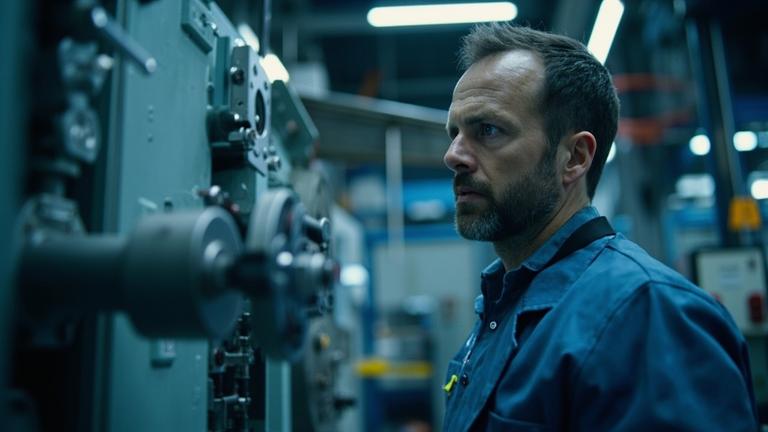
This case study underscores the enduring value of human expertise in technical problem-solving, even as AI continues to advance. The economic and operational benefits of this approach are clear, particularly in industries reliant on precise and nuanced communication.
- Tormach improved technical documentation by incorporating user behavior observations, enhancing user satisfaction and reducing troubleshooting time.
- Direct human communication proved crucial for efficient problem resolution, with issues often addressed in hours rather than days.
- The company balanced AI integration with human expertise, optimizing resource allocation and operational efficiency.
- This approach highlights the limitations of AI in tasks requiring empathy, intuition, and complex decision-making.
- The insights from this case study are directly applicable to engineers and manufacturing professionals seeking to optimize their technical processes and problem-solving strategies.
The Problem: AI's Limitations in Real-World Technical Documentation
In the manufacturing sector, particularly in the realm of CNC machines and automation tools, technical documentation is crucial for ensuring operational efficiency and safety. However, as Amanda Lucas, a technical writer at Tormach, points out, AI-generated content often falls short in capturing the nuances of human interaction with procedures. While AI can produce accurate instructional material, it lacks the practical understanding derived from real-world experience and observation. This gap can lead to documentation that is technically correct but fails to account for the complexities of human behavior and workflow.
The Solution: Leveraging Human Experience and Direct Communication
Lucas emphasizes the importance of human experience in creating clear, usable technical documentation. Her role involves not just writing but also observing how users interact with machines and processes. This hands-on approach allows her to anticipate potential issues and tailor the documentation to address them effectively.
Kimberly Upton, an industrial engineer at Tormach, further highlights the critical role of direct human communication in problem-solving. She recounts instances where resolving technical issues required more than just digital tools or AI-generated solutions. Instead, it necessitated face-to-face or voice-to-voice interaction to fully understand and address the problem. This underscores the limitations of AI in situations that demand nuanced understanding and immediate feedback.
Upton also discusses the broader implications of AI in the workplace. While acknowledging its utility in automating routine tasks and analyzing large datasets, she points out its shortcomings in areas requiring empathy, intuition, and complex decision-making. The conversation explores how AI can complement human expertise but not replace it entirely.
The Results: Improved Documentation and Problem-Solving
The insights from Lucas and Upton have led to several tangible improvements in Tormach's operations:
- - **Enhanced Technical Documentation**: By incorporating observations of user behavior and feedback, the company has developed more intuitive and user-friendly manuals and guides. This has reduced the time users spend troubleshooting and increased overall satisfaction with the products.
- - **Efficient Problem Resolution**: The emphasis on direct communication has streamlined the problem-solving process. Issues that might have taken days to resolve through digital channels are now often addressed in hours, thanks to the immediacy of human interaction.
- - **Balanced AI Integration**: Tormach has adopted a balanced approach to AI, using it to handle repetitive tasks and data analysis while relying on human expertise for more complex problem-solving and customer interactions. This has optimized resource allocation and improved operational efficiency.
"AI is a powerful tool, but it cannot replicate the depth of understanding that comes from experience and direct communication," says Upton. "Our approach ensures we leverage the best of both worlds."
Is this your company?
This article features your business. Claim it to add your logo, contact details, and a link to your website — or upgrade to reach more buyers.
Did you know 80% of Press Releases trigger AI content warnings? Reach out and the M4S team can assist.