
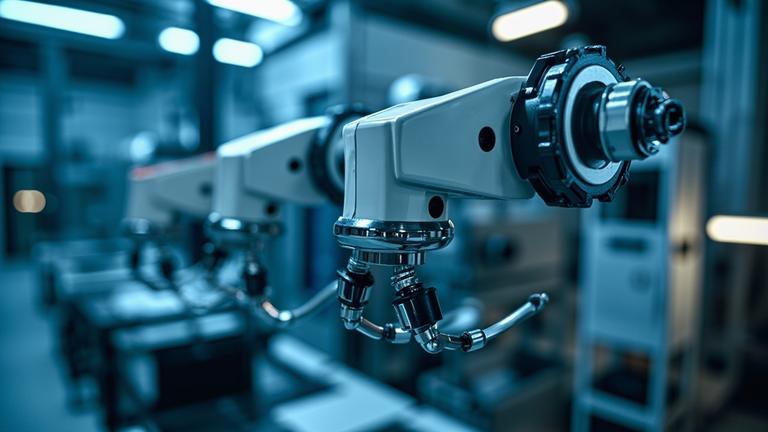
Problem: Traditional robotics struggle to adapt to real-world environments and interact naturally with humans.
- Solution: Kinisi Robotics developed a physical AI platform with advanced machine learning, sensor fusion, and real-time processing capabilities.
- Acquisition: Bear Robotics acquired Kinisi Robotics to integrate its technology and enhance product offerings.
- Results: The partnership is expected to lead to more adaptable, efficient, and human-friendly robots, marking a new era in human-robot interaction.
The Challenge: Bridging the Gap Between Robotics and Human Interaction
In the rapidly evolving landscape of robotics, one of the most significant challenges has been creating machines that can seamlessly interact with humans in dynamic, unpredictable environments. Traditional robotics, while highly effective in controlled settings, often struggle to adapt to the complexities of real-world scenarios. This is where Kinisi Robotics, under the leadership of founder and CEO Brennand Pierce, sought to make a difference.
Kinisi Robotics focused on developing physical AI systems that could understand and respond to human behavior in real-time. The goal was to create robots that could not only perform tasks but also interact with humans in a natural, intuitive manner. This required a unique approach to AI, one that combined advanced machine learning algorithms with sophisticated sensor technologies.
The Solution: A Holistic Approach to Physical AI
Kinisi Robotics' solution was to develop a proprietary AI platform that integrated multiple sensory inputs, including visual, auditory, and tactile data. This platform was designed to process and analyze these inputs in real-time, allowing the robots to make informed decisions and adapt to changing environments.
"Our approach was to create a system that could learn and adapt, much like a human would," said Brennand Pierce. "We wanted to move beyond pre-programmed responses and develop robots that could truly understand and interact with their surroundings."
The key components of Kinisi's AI platform included:
- Advanced Machine Learning Algorithms: These algorithms were trained on vast datasets to recognize and interpret human behavior patterns.
- Sensor Fusion Technology: By combining data from various sensors, the system could create a comprehensive understanding of its environment.
- Real-time Processing Capabilities: The platform was designed to process data quickly, ensuring that the robots could respond instantaneously to new information.
Kinisi's technology was not just about hardware and software; it was about creating a seamless interface between humans and machines. This required a deep understanding of human psychology and behavior, as well as cutting-edge engineering.
The Acquisition: Bear Robotics Sees the Potential
Bear Robotics, a leader in the robotics industry, recognized the potential of Kinisi's approach and moved to acquire the company. The acquisition was driven by Bear Robotics' strategic vision to enhance its product offerings with advanced physical AI capabilities.
"Kinisi's work in physical AI aligns perfectly with our mission to create robots that can work alongside humans in real-world environments," said a spokesperson for Bear Robotics. "This acquisition will allow us to integrate Kinisi's technology into our existing platforms, significantly enhancing their capabilities."
The acquisition was finalized in Q3 2023, with Kinisi's team joining Bear Robotics to continue their work on physical AI. The move is expected to accelerate the development of new products and solutions that leverage Kinisi's innovative technology.
The Results: A New Era of Human-Robot Interaction
The acquisition of Kinisi Robotics by Bear Robotics marks a significant milestone in the field of robotics. By combining Kinisi's expertise in physical AI with Bear Robotics' industry experience, the partnership is poised to deliver groundbreaking solutions that will redefine human-robot interaction.
The integration of Kinisi's technology into Bear Robotics' platforms is expected to yield several key benefits:
- Enhanced Adaptability: Robots will be able to adapt to new environments and tasks more effectively.
- Improved Human-Robot Interaction: The technology will enable more natural and intuitive interactions between humans and machines.
- Increased Efficiency: By automating complex tasks and processes, the technology will help organizations achieve higher levels of efficiency and productivity.
Is this your company?
This article features your business. Claim it to add your logo, contact details, and a link to your website — or upgrade to reach more buyers.
Did you know 80% of Press Releases trigger AI content warnings? Reach out and the M4S team can assist.