
Deployment path: The system will be installed and tested in Chicago to evaluate materials, production methods, and Arctic applications before shipment to Greenland.
- Machine specs: A six-plus-axis robotic arm with approximately four meters of reach rides a rail enabling over 10 meters of X-axis printing, cutting support material and waste.
- Local ownership model: GADC plans to recruit and train a Greenlandic entrepreneur to operate a joint venture manufacturing facility, with location and partner still to be determined with local stakeholders.
- Target markets: Applications include furniture, marine components, replacement parts, construction elements, and industrial components, supporting Greenland's natural-resource, infrastructure, and tourism sectors.
Greenland Arctic Development Corp has purchased a Caracol Heron 400 system, an industrial robotic platform built for additive manufacturing of large polymer and composite components. The machine will be installed and tested in Chicago first, then shipped north for deployment in Greenland.
The move is a bet that large-format additive manufacturing can shorten supply chains in one of the most logistically difficult places on the planet.
The Hardware
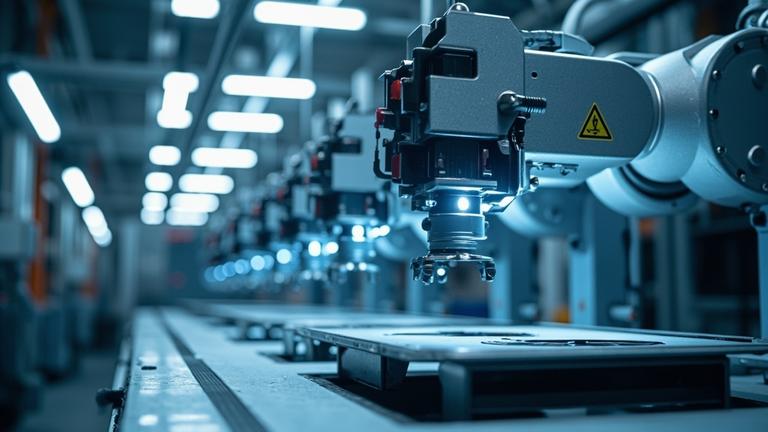
The Heron 400 pairs a six-plus-axis robotic arm, with a reach of approximately four meters, with a rail that enables over 10 meters of X-axis printing. That multi-axis architecture matters on the shop floor. It allows advanced manufacturing techniques that reduce the need for supports and the material waste that comes with them, a persistent cost driver in conventional three-axis printing.
Material flexibility is the other selling point. The system can process a wide range of thermoplastics and fiber-reinforced composites, which gives operators options when a specific feedstock is unavailable. In a remote environment, that adaptability is not a convenience; it is the difference between making a part and waiting for one.
The Plan
GADC plans to establish a new model for local manufacturing in Greenland using the Caracol system. The company intends to recruit a Greenlandic entrepreneur who will receive technical training and operate a joint venture manufacturing facility.
Before any of that happens, the Chicago testing phase will be used to evaluate materials, production methods, and potential Arctic applications. GADC will also work with local stakeholders to identify an entrepreneurial partner and determine where the facility will be located.
Target applications in Greenland include furniture, marine components, replacement parts, construction elements, and industrial components. The facility is expected to support the territory's natural-resource, infrastructure, and tourism sectors.
The underlying logic is familiar to anyone running limited-run production. Conventional methods carry the costs of expensive molds and excess material, and additive manufacturing avoids much of that. In environments defined by variability and unpredictable demand, a single reconfigurable cell that can produce many different parts on demand has a clear economic case. The project also fits a broader push toward shorter, more resilient supply chains, with production moved closer to where products are actually used.
M4S Take:: The hardware claims are credible and specific: a four-meter arm reach and over 10 meters of rail travel are verifiable machine specs, not marketing fluff. What the announcement does not provide is just as telling. There is no stated timeline for the Greenland deployment, no production capacity figures, and no named entrepreneurial partner yet. The "new model for local manufacturing" is, at this stage, a plan resting on a joint venture that has not been formed.
Is this your company?
This article features your business. Claim it to add your logo, contact details, and a link to your website — or upgrade to reach more buyers.
Did you know 80% of Press Releases trigger AI content warnings? Reach out and the M4S team can assist.