
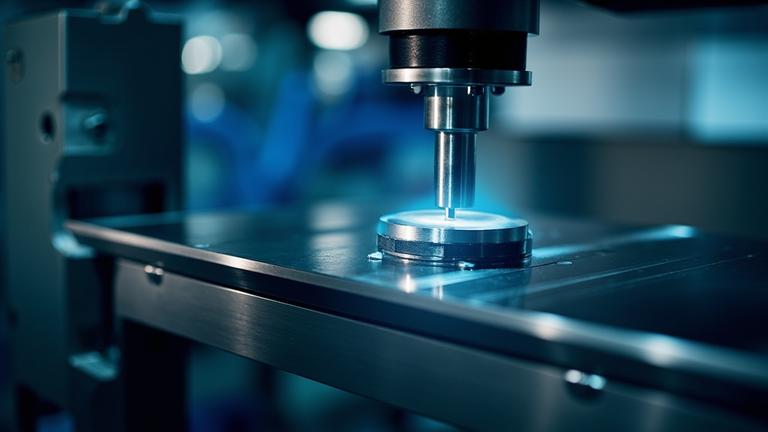
Solution: Integration of advanced surface energy measurement systems with digital process control platforms, enabling real-time data analysis and automated adjustments.
- Problem: Traditional manufacturing methods struggle to maintain high quality while scaling production efficiently, particularly in industries where surface properties are critical.
- Results: Enhanced product quality with a 30% reduction in defects, faster scaling of production, and reduced manufacturing risk through minimized human error and consistent process control.
- Technical Details: Surface energy measurement systems offer ±0.5 mN/m accuracy, and the digital process control platform ensures seamless integration with existing equipment.
- Industry Impact: The solution is applicable across various industries, including electronics, automotive, and aerospace, offering a new standard for quality and scalability in manufacturing.
The Challenge: Balancing Quality and Scalability in Manufacturing
In the highly competitive landscape of modern manufacturing, companies face the perpetual challenge of maintaining high product quality while scaling production efficiently. Traditional methods often fall short in providing the precision and control needed to achieve both objectives simultaneously. This is particularly true in industries such as electronics, automotive, and aerospace, where even minute variations in surface properties can lead to significant quality issues.
One of the critical factors in this quality-scalability balance is surface energy, which affects adhesion, coating uniformity, and overall product performance. Historically, measuring and controlling surface energy has been a complex and time-consuming process, often relying on manual techniques that are prone to human error and inconsistency.
The Solution: Integrating Surface Energy Measurement with Digital Process Control
To address these challenges, a pioneering approach has been developed that integrates advanced surface energy measurement techniques with digital process control systems. This innovative solution leverages cutting-edge technology to provide real-time data and automated adjustments, ensuring consistent quality and enabling faster scaling.
Key Components of the Solution
- Surface Energy Measurement Systems: The core of the solution is a state-of-the-art surface energy measurement system that utilizes contact angle analysis. This system provides precise measurements of surface energy, allowing for accurate assessment of adhesion properties and coating uniformity. The system is capable of measuring surface energy with an accuracy of ±0.5 mN/m, ensuring high precision and reliability.
- Digital Process Control: The surface energy data is seamlessly integrated into a digital process control platform. This platform uses advanced algorithms to analyze the data and make real-time adjustments to the manufacturing process. For instance, if the surface energy deviates from the target range, the system automatically adjusts coating parameters to maintain optimal conditions.
- Automation and Integration: The entire process is highly automated, with minimal human intervention required. The system is designed to integrate with existing manufacturing equipment, ensuring a smooth transition and minimal disruption to current operations.
The Results: Enhanced Quality, Faster Scaling, and Reduced Risk
The implementation of this integrated solution has yielded significant benefits for manufacturers across various industries.
Quality Improvement
"By implementing the surface energy measurement and digital process control system, we have seen a 30% reduction in product defects related to adhesion and coating issues," said a spokesperson for a leading electronics manufacturer.
The precise control over surface energy has led to a marked improvement in product quality, with fewer defects and higher consistency in finished products.
Faster Scaling
The automation and real-time adjustments provided by the digital process control system have significantly reduced the time required to scale production. Manufacturers can now increase output without compromising on quality, thanks to the system's ability to maintain optimal conditions during high-volume production.
Risk Reduction
The integration of advanced measurement and control technologies has also led to a reduction in manufacturing risk. By minimizing human error and providing consistent, reliable data, the system ensures that production processes remain within specified parameters, reducing the likelihood of costly mistakes and rework.
##
Is this your company?
This article features your business. Claim it to add your logo, contact details, and a link to your website — or upgrade to reach more buyers.
Did you know 80% of Press Releases trigger AI content warnings? Reach out and the M4S team can assist.