
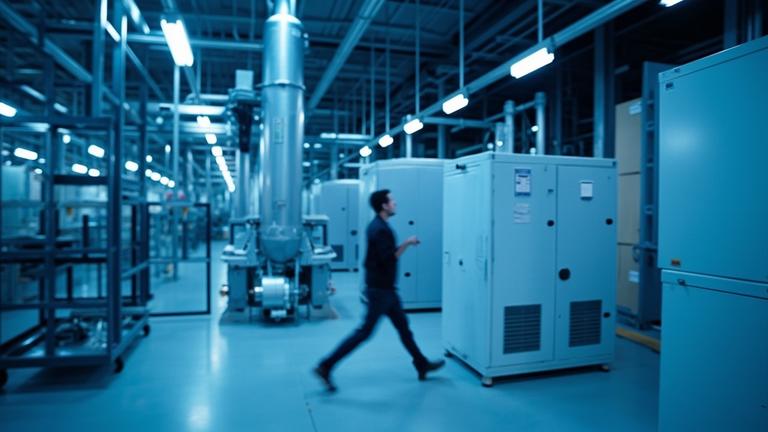
The collaboration focuses on advancing materials development, equipment enhancements, artificial intelligence and machine learning-enabled process optimization, manufacturing systems, cybersecurity, and workforce development training.
What the partnership covers
The collaboration focuses on advancing materials development, equipment enhancements, artificial intelligence and machine learning-enabled process optimization, manufacturing systems, cybersecurity, and workforce development training. These efforts will drive the creation of next-generation AM materials, real-time process optimization tools, and scalable production solutions, along with the workforce that will enable the rapid adoption of advanced manufacturing technologies.
The technical case for AM is clear. Additive manufacturing enables the fabrication of complex components from advanced alloys that are difficult or impossible to produce using conventional methods. This includes high-temperature nickel-based superalloys and other radiation-tolerant materials for intricate heat exchangers with internal cooling channels, reactor internals, pumps, valves, and other high-performance components essential to advanced nuclear systems. These capabilities support improved performance under extreme conditions, reduced material waste, greater design freedom, and enhanced supply-chain resilience, all essential for advanced nuclear reactor systems, fusion energy technologies, power generation equipment, and U.S. energy infrastructure modernization.
Why now
The partnership is timed to support a period of renewed investment and innovation across the U.S. nuclear and energy sectors. Advanced reactor designs, small modular reactors (SMRs), and related energy initiatives are driving demand for manufacturing approaches that can accelerate development cycles, reduce costs, and strengthen domestic production capacity. This collaboration is timely given the projected expansion of advanced nuclear capacity worldwide. According to the International Energy Agency, small modular reactor capacity could grow to roughly 40 gigawatts under current policies or up to 120 gigawatts in accelerated scenarios by 2050, supporting rising demand for reliable, low-carbon power in applications ranging from data centers and industrial heat to grid stability and energy security.
From lab to production line
The agreement is structured to bridge laboratory innovation with industrial readiness by combining 3D Systems' commercial AM platforms and materials expertise with SRNL's domain knowledge. The CRADA is designed to create a clear pathway from foundational research to technology transfer and commercial application. Cutting-edge 3D Systems equipment has been installed at the AMC and is supported by facility upgrades and resident AM subject-matter experts. This infrastructure will enable both world-class research and the demonstration of production-ready processes, positioning the partners to develop scalable manufacturing solutions with broader implications for high-value industrial markets including nuclear energy, aerospace and defense, and environmental technologies.
While structured as a cooperative research and development agreement, the CRADA is intentionally designed to create a clear pathway from foundational research to technology transfer and commercial application.
Workforce development is a key component of the partnership, expanding opportunities for training and developing the next generation of AM scientists, engineers, and technicians, strengthening the regional and national advanced manufacturing workforce.
Is this your company?
This article features your business. Claim it to add your logo, contact details, and a link to your website — or upgrade to reach more buyers.
Did you know 80% of Press Releases trigger AI content warnings? Reach out and the M4S team can assist.