
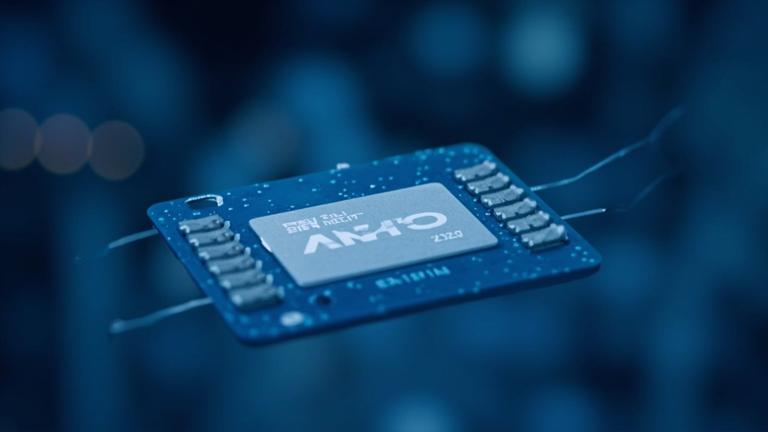
Anticipated Benefits: Cost savings, improved vehicle efficiency, and a more stable supply chain.
- Problem: BYD faced challenges due to reliance on external chip suppliers amidst the global chip shortage.
- Solution: BYD is developing the A3 chip, targeting a 2027 market debut, with a $1 billion investment and a dedicated R&D facility in Shenzhen.
- Results: The A3 chip is expected to reduce procurement costs by up to 30%, enhance vehicle performance, and potentially disrupt the semiconductor market.
- Industry Impact: Potential for broader vertical integration within the automotive sector as other manufacturers may follow BYD's lead.
Problem: The Chip Shortage Conundrum
In the rapidly evolving automotive industry, where technological advancements and production efficiencies are paramount, BYD has emerged as a leader in vertical integration. However, one critical area where the company has yet to make significant strides is in semiconductor manufacturing. The global chip shortage, which has plagued the automotive sector for several years, has highlighted the need for companies to secure their supply chains. Despite BYD's prowess in battery technology, electric vehicle manufacturing, and even in-house software development, the reliance on external suppliers for chips has posed a significant challenge.
Solution: Strategic Investment and Development
In response to this challenge, BYD has announced ambitious plans to develop its own semiconductor solutions, with a specific focus on the A3 chip. According to reports, BYD is targeting a market debut for the A3 chip in 2027. This strategic move is part of the company's broader effort to enhance its vertical integration capabilities and reduce dependency on third-party chip manufacturers.
The A3 chip is designed to be a high-performance, energy-efficient solution tailored for automotive applications. BYD's engineering team is leveraging advanced silicon fabrication techniques and incorporating cutting-edge AI algorithms to optimize the chip's performance. The development process involves rigorous testing and validation to ensure the chip meets the stringent reliability and safety standards required for automotive applications.
BYD has allocated substantial resources to this project, with an estimated investment of over $1 billion. The company has also established a dedicated R&D facility in Shenzhen, staffed with over 500 engineers and researchers. This facility is equipped with state-of-the-art semiconductor fabrication equipment and simulation tools to accelerate the development process.
Results: Anticipated Benefits and Industry Impact
The anticipated benefits of BYD's A3 chip are multifaceted. Firstly, by bringing chip production in-house, BYD expects to achieve significant cost savings. The company estimates that it could reduce its chip procurement costs by up to 30%. This is a substantial figure, considering the high volume of chips required for BYD's extensive product lineup, which includes electric vehicles, buses, and energy storage systems.
Secondly, the A3 chip is expected to enhance the performance and efficiency of BYD's vehicles. The chip's advanced AI capabilities will enable more sophisticated driver assistance systems and improved energy management. For instance, the chip's power consumption is projected to be 20% lower than current market alternatives, contributing to longer battery life and extended driving ranges.
"The A3 chip represents a significant leap forward in our vertical integration strategy," said a BYD spokesperson. "By controlling the production of critical components like semiconductors, we can ensure a more stable and reliable supply chain, while also driving innovation in our products."
The impact of BYD's A3 chip is likely to extend beyond the company itself. As one of the largest automotive manufacturers in the world, BYD's move into chip production could disrupt the existing semiconductor market. It could also prompt other automakers to follow suit, leading to a broader trend of vertical integration within the industry.
Is this your company?
This article features your business. Claim it to add your logo, contact details, and a link to your website — or upgrade to reach more buyers.
Did you know 80% of Press Releases trigger AI content warnings? Reach out and the M4S team can assist.