
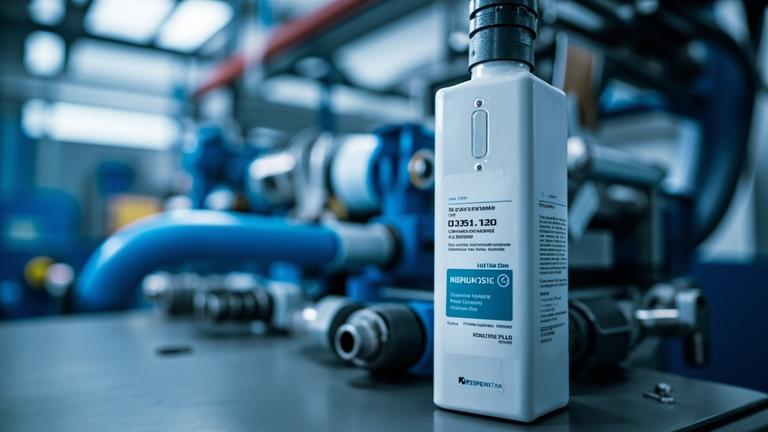
Low-risk conversion path: Kalitta Air switched to HyJet IV-Aplus using the "top-off" method, limiting maintenance downtime during the transition.
- Hidden failure modes: Hydraulic system failures are often latent and compound over time, leading to costly and preventable failures across components like landing gear, brakes, and flight controls.
- False economy of cheap fluids: Uncertified fluids drive higher long-term costs through fuel burn, degradation, and contamination-related corrosion, while modern systems exceeding 200°C demand fire-resistant formulations.
- OEM-backed consolidation: ExxonMobil's HyJet IV-A plus, HyJet V, and Mobil Aero HF lines carry approvals from Boeing, Airbus, Embraer, and Bombardier, enabling single-fluid fleet strategies.
- Human factors dividend: Kalitta Air's maintenance fleet manager reported that managing a single product "diminished human factor error" and simplified maintenance procedures.
Hydraulic systems are the muscles of an aircraft. They power landing gear, brakes, and flight control systems — and when they fail, the consequences for fleet economics are severe. The trouble is that hydraulic failures are rarely sudden. Latent issues compound over time, buried in airframes, until they surface as costly and preventable failures.
For maintenance organisations, the fluid running through those systems is one of the few variables fully within their control. And the evidence suggests that cutting corners on it is a false economy.
The case against cheap fluid
Cheaper, uncertified hydraulic fluids can result in greater long-term expenditures. The mechanisms are well understood: high fuel burn, accelerated fluid degradation, and increased maintenance demands. Lower grade fluids are also more susceptible to contamination, which can lead to corrosive acids damaging vital components.
Thermal stress raises the stakes further. Modern aircraft hydraulic systems can experience temperatures beyond 200°C, requiring highly fire-resistant fluid formulations. A fluid that performs adequately in one airframe may be wholly unsuited to another — which is precisely the problem facing operators of mixed fleets.
One fluid family, multiple OEM approvals
ExxonMobil's answer is a product family designed for fleet-wide consolidation. Its HyJet IV-A plus, HyJet V, and Mobil Aero HF product lines are approved by major OEMs including Boeing, Airbus, Embraer, and Bombardier — allowing airlines to consolidate fluid inventory, reduce maintenance costs, and minimise the operational complexity of managing multiple products.
The chemistry does the heavy lifting. ExxonMobil's products feature advanced chemistries that prevent fluid breakdown and hydrolysis-induced contamination, alongside enhanced deposit control and protection against wear, rust, and corrosion — extending equipment life and component longevity. Mobil HyJet IVA+ and Mobil HyJet V formulations provide high-temperature stability and optimal low-temperature viscosity, while the premium fluids' low-density composition can help reduce aircraft weight and lower fuel burn.
Kalitta Air puts it to the test
Cargo carrier Kalitta Air converted its hydraulic fluid to ExxonMobil's HyJet IV-Aplus to optimise operations and improve fleet reliability. Critically for an operator working to tight schedules, the transition was executed using the "top-off" method, which limited maintenance downtime during the conversion.
The payoff went beyond the fluid itself. Standardising on a single product changed the maintenance workflow, as Kevin Jackson, maintenance fleet manager at Kalitta Air, explained:
the ease of managing a single product "diminished human factor error" and simplified maintenance procedures.
For engineers managing mixed fleets, that human-factors benefit may be the most underappreciated argument for standardisation. Every additional fluid in the inventory is another opportunity for a cross-contamination mistake. Fewer products, fewer errors, less downtime — a straightforward equation, backed here by a real-world conversion that didn't ground the fleet to achieve it.
Get the full article here for free:
Read the full article on Airport Technology→
Follow news on Airport Technology
Is this your company?
This article features your business. Claim it to add your logo, contact details, and a link to your website — or upgrade to reach more buyers.
Did you know 80% of Press Releases trigger AI content warnings? Reach out and the M4S team can assist.