
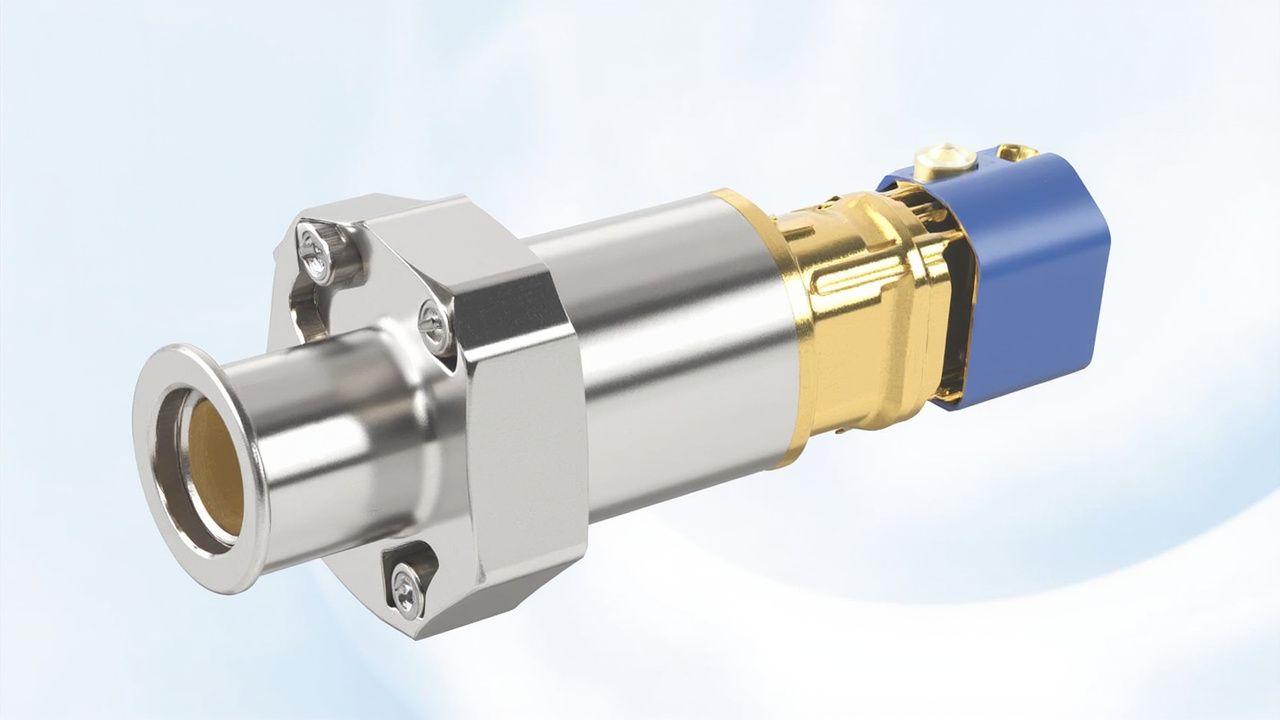
This product launch addresses a specific engineering pain point—cable fatigue in dynamic RF applications—rather than attempting to serve all market segments
- The technical specifications are middle-of-road: 3 GHz operation covers industrial RF applications without targeting telecom backhaul or aerospace
- Engineers evaluating these assemblies should focus on their specific flex cycle requirements and compare total cost of ownership against commodity alternatives
The Problem: Cable Fatigue in Dynamic RF Applications
Engineers deploying RF assemblies in automated test cells and robotic end-effectors face a persistent challenge: cable failure from repeated flexing. Standard RG-58 assemblies typically fail at bend radii below 10-15 mm when subjected to continuous motion cycles. In production environments where cable assemblies undergo thousands of flex cycles per shift, this translates to unplanned downtime, replacement labor costs, and signal integrity degradation that manifests as intermittent test failures.
The specific failure modes are well-documented in the field. Center conductor breakage typically occurs at the termination point where stress concentration is highest. Shield braid separation leads to increased insertion loss and EMI susceptibility. Both failure modes accelerate in tight routing configurations common in six-axis robot arms and automated optical inspection stations.
The Solution: High-Flex RG-58 Construction with Optimized Terminations
Amphenol RF's new in-series SMA cable assemblies target these failure modes directly through a combination of material choices and mechanical design.
The assemblies use fine-wire stranded copper center conductors rather than solid conductors. This construction provides the flexibility needed for dynamic routing while maintaining 50-ohm characteristic impedance. The tinned copper braid shield offers improved fatigue resistance compared to bare copper shields, particularly in applications involving continuous flexing. The combination supports operation up to 3 GHz, covering common industrial RF bands used in wireless communication testing and sensor integration.
Standard length options span 12 inches to 3 meters, accommodating both point-to-point connections in instrument racks and extended runs through cable management chains. The assemblies accept tight bend radius installations, though Amphenol specifies minimum bend radius limits that vary by cable lot—engineers should verify physical sample testing for critical applications.
The in-series SMA interface allows daisy-chaining multiple assemblies or integrating inline with existing SMA infrastructure without adapter penalties.
"We designed these for the repetitive motion profile in collaborative robot arms, where cable routing space is limited and replacement accessibility is poor," an Amphenol RF product manager stated.
What This Means for Your Next Project
The practical implications depend on your application profile. For high-cycle automation applications exceeding 100,000 flex cycles per year, these assemblies offer improved service life over commodity RG-58 assemblies. The tinned braid construction provides measurable advantage in corrosion resistance for applications involving temperature cycling or humidity exposure.
For static or low-cycle applications, standard assemblies remain cost-appropriate. The premium pricing for high-flex construction does not make sense for connections that see fewer than 1,000 flex cycles annually.
The 3-meter maximum standard length may require extension adapters for longer runs. Engineers should also note that while the assemblies support 3 GHz operation, insertion loss and VSWR specifications at temperature extremes require verification against specific system requirements.
For applications requiring these specifications, Amphenol RF provides sample evaluation kits and mechanical drawings upon request. Lead times for standard configurations run approximately 4-6 weeks, though distributors typically stock popular configurations.
Simon McLoughlin
Is this your company?
This article features your business. Claim it to add your logo, contact details, and a link to your website — or upgrade to reach more buyers.
Did you know 80% of Press Releases trigger AI content warnings? Reach out and the M4S team can assist.