
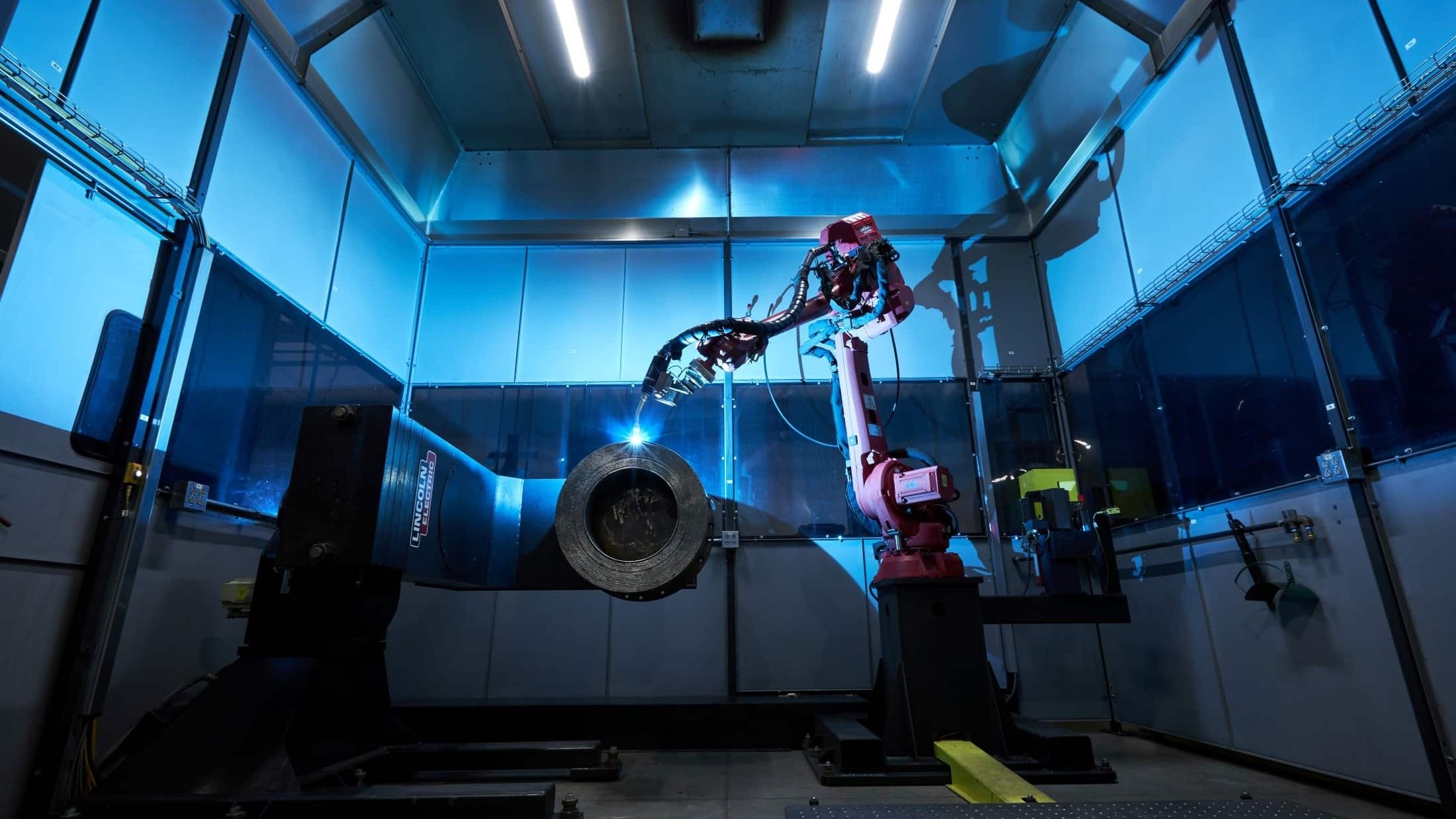
Baker Industries is pushing design-to-cost reviews as nickel, titanium, and tariffs lift precision-part costs.
Nickel and aerospace-grade titanium stayed expensive in 2026. A 50 percent tariff now applies to steel and aluminum articles on full customs value. Value engineering and design-to-cost remove material mass and machining time without changing part performance. Near-net additive lowers the buy-to-fly ratio.
Raw material costs are rising for machined components, with nickel, aerospace-grade titanium, and Section 232 tariffs moving against buyers.
Section 232 now applies a 50 percent tariff to steel and aluminum articles on full customs value, lifting landed cost for imported machined assemblies with electronics, seals, or coatings. Baker Industries’ design and engineering team runs design-to-cost reviews on parts already in production and flags features driving spend before they reach the machine.
Near-net additive and preform approaches have been reported at buy-to-fly ratios near 2 to 1, so less stock is machined away. Consolidating design, machining, and additive with a domestic supplier reduces the price and tariff swings a fragmented supply chain passes through.
Frequently asked questions
How can engineers reduce the overall material cost and machining time for precision-engineered parts when base metal prices are rising?
Engineers can reduce material costs and machining time by starting with stock forms closer to the finished shape, selecting the lowest-cost alloy that meets performance requirements, designing features to accommodate standard tooling and minimize setups, applying tight tolerances only where critical for function, and consolidating multiple parts into a single component. These choices decrease the amount of metal purchased and the time spent on cutting operations.
What specific actions can procurement and engineering teams take to mitigate the impact of increased raw material prices and tariffs on manufactured components?
Procurement and engineering teams can mitigate rising raw material prices and tariffs by optimizing stock selection to reduce the buy-to-fly ratio, choosing alloys based on actual requirements rather than habit, and designing parts for manufacturability with standard tooling and fewer setups. Additionally, setting tolerances based on functional needs, consolidating components, and exploring near-net additive manufacturing can significantly lower material expenditure and machining time, while domestic sourcing and consolidated supply chains can reduce tariff exposure and price volatility.
How do metal tariffs and nickel or titanium prices affect part cost?
Nickel and aerospace-grade titanium prices remained elevated in 2026, forming the base cost for many alloys. The Section 232 tariffs introduce an additional 50 percent charge on steel and aluminum articles, calculated on their full customs value, not just the metal content. This means imported parts and materials incur both the increased alloy price and the tariff, substantially raising the final landed cost.
How does additive manufacturing reduce material waste (buy-to-fly ratio)?
Additive manufacturing, particularly near-net additive processes, builds a part geometry that is significantly closer to the final desired shape. This approach drastically reduces the amount of raw material that needs to be machined away, thereby lowering the buy-to-fly ratio. Whereas conventional machining of complex parts can have ratios exceeding 10 to 1, near-net additive methods have achieved ratios as low as 2 to 1, meaning much less metal is turned into scrap.
What is value engineering and how does it lower manufacturing cost?
Value engineering is a systematic approach to review a part or assembly to retain its essential function while reducing cost. This is typically achieved by decreasing material mass and machining time during the design phase. By making changes to the design drawings rather than on the production floor, value engineering effectively lowers manufacturing costs without altering the part’s performance or how it functions in its application.
How can engineers design parts to cost without sacrificing performance?
Engineers can design parts to cost by meticulously evaluating each feature, tolerance, and wall thickness against the part's specific functional requirements in its intended service environment, rather than relying on default specifications. This design-to-cost methodology focuses on eliminating unnecessary material mass and reducing machining time while strictly adhering to the original performance and functional specifications for which the part was designed.
What are the long-term strategies for maintaining profitability in precision parts manufacturing amidst fluctuating global commodity markets and trade policies?
The full answer is in the original report. Read it at Baker Industries.
Get the long read at Baker Industries
Is this your company?
This article features your business. Claim it to add your logo, contact details, and a link to your website — or upgrade to reach more buyers.
Did you know 80% of Press Releases trigger AI content warnings? Reach out and the M4S team can assist.