
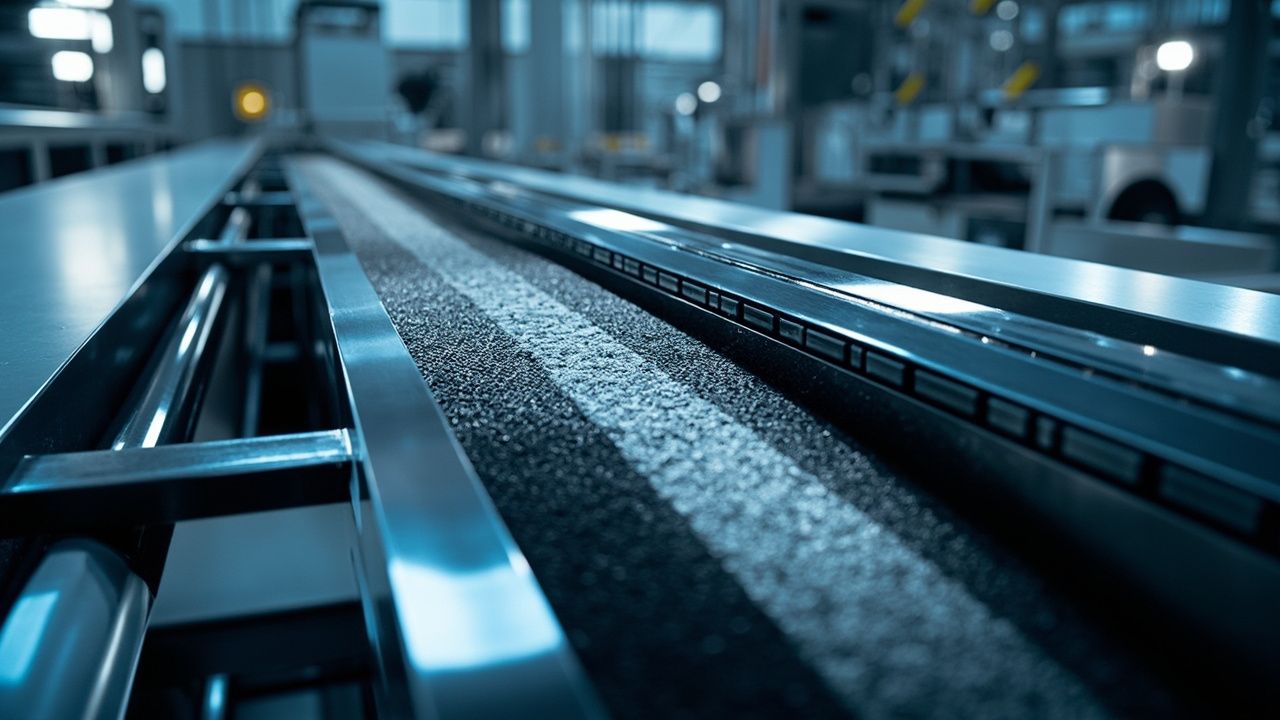
Advanced composites are a game-changer for marine engineering—replacing steel and aluminum with materials that laugh at saltwater corrosion and cut structural weight dramatically.
- Saltwater corrosion resistance eliminates the need for cathodic protection systems and frequent repainting, reducing lifetime maintenance costs by 30-50% compared to steel hulls
- Carbon fiber composites deliver strength-to-weight ratios 4-5× better than steel, enabling faster vessels with lower fuel consumption or increased payload capacity
- Fatigue resistance extends structural lifespan—composite hulls routinely achieve 30+ year service lives versus 15-20 years for aluminum in high-stress applications
- Current applications span hulls, decks, propulsion housings, and superstructures; the global marine composites market is projected to exceed $2.5B by 2028
- Weight reduction of 40-60% versus steel allows for smaller engines, reduced emissions, or armor/sensor upgrades without sacrificing speed or range
How Can Advanced Composite Materials Improve the Durability of Marine Structures?
Advanced composite materials have revolutionized the marine industry, offering unparalleled durability and performance in the face of harsh ocean environments. These engineered combinations of two or more materials exhibit superior properties compared to their individual components, making them ideal for constructing resilient marine structures.
Composite materials have become increasingly popular in marine applications due to their ability to withstand the corrosive effects of saltwater, resist fatigue, and provide excellent strength-to-weight ratios. By using the unique properties of advanced composites, marine engineers and designers can create structures that are lighter, stronger, and more durable than ever before.
From hulls and decks to propulsion systems and superstructures, advanced composite materials are being used in a wide range of marine applications. As the demand for high-performance, long-lasting marine structures continues to grow, understanding the benefits and applications of advanced composites becomes increasingly important for professionals in the marine industry.
What are Advanced Composite Materials?
Advanced composite materials are engineered combinations of two or more materials that exhibit superior properties compared to their individual components. These composites typically consist of a reinforcing phase, such as fibres, embedded in a matrix phase, which is usually a polymer resin. The reinforcing phase provides strength and stiffness, while the matrix phase binds the reinforcements together and transfers loads between them.
Common reinforcement materials used in advanced composites include carbon fibre, glass fibre, and aramid fibre. Carbon fibre reinforced polymers (CFRPs) are widely used in high-performance marine applications due to their exceptional strength-to-weight ratio and corrosion resistance. Glass fibre reinforced polymers (GFRPs) offer a cost-effective alternative with good mechanical properties and durability. Aramid fibres, such as Kevlar, are known for their high tensile strength and impact resistance.
The matrix materials used in advanced composites can be either thermoset resins or thermoplastic polymers. Thermoset resins, such as epoxy and polyester, undergo an irreversible curing process that creates a strong, cross-linked network. They offer excellent adhesion to reinforcements and good resistance to heat and chemicals. Thermoplastic polymers, on the other hand, can be melted and reshaped multiple times, providing greater flexibility in manufacturing and recycling.
The combination of reinforcements and matrix materials in advanced composites allows for the creation of materials with tailored properties to meet specific application requirements. By selecting the appropriate reinforcement type, orientation, and volume fraction, as well as the suitable matrix material, engineers can optimise the composite's strength, stiffness, durability, and other desired characteristics.
Advanced composite materials offer several advantages over traditional materials like steel and aluminum in marine environments:
- - High strength-to-weight ratio: Composites provide excellent mechanical properties while being significantly lighter than metals, enabling the construction of lighter, more efficient marine structures. - Corrosion resistance: Composite materials are inherently resistant to corrosion, making them ideal for use in harsh marine environments where exposure to saltwater and moisture can cause deterioration of traditional materials. - Design flexibility: The anisotropic nature of composites allows for the creation of complex shapes and optimised designs that can improve hydrodynamic performance and structural efficiency. - Reduced maintenance: The corrosion resistance and durability of composites lead to reduced maintenance requirements and extended service life compared to traditional materials, lowering overall lifecycle costs. - Fatigue resistance: Composites exhibit excellent fatigue resistance, withstanding the cyclic loads and vibrations encountered in marine environments better than metals, which can suffer from fatigue cracking.
‘Advanced composite materials can improve the durability of marine structures by overcoming the challenges of harsh environments. Unlike traditional materials like steel or concrete, which are prone to corrosion and deterioration, composites such as fiber-reinforced polymers (FRPs) resist saltwater corrosion, humidity, and UV exposure. They also reduce maintenance needs while maintaining long-term structural integrity. In addition to their durability with a wide spectrum of tailored mechanical and fatigue properties, the environmental benefits of advanced composite materials are a key motivating factor for their use, including the potential to reduce CO2 emissions and enhance material circularity.’ – Nico Voorzee, Marine Sales Lead at STRUCTeam
These advantages make advanced composite materials an attractive choice for marine applications, offering improved performance, durability, and sustainability. By using the unique properties of composites, marine engineers and designers can create structures that are better suited to withstand the challenges posed by the ocean environment.
As the marine industry continues to embrace advanced composite materials, it is essential for professionals to stay informed about the latest developments and best practices in composite design, manufacturing, and maintenance. This knowledge will enable them to make informed decisions when selecting materials and designing marine structures, ensuring optimal performance and longevity in the demanding marine environment.
“A key benefit of using advanced composites in marine applications is the ability to tailor mechanical properties to specific customer needs. For example, at Exel Composites, we engineer materials to precise demands by optimising the alignment, orientation and type of fibres for given requirements. For example, by laying fibres either axially or transverse to composite profile length, we can enhance load-bearing capacity in specific directions, ideal for hulls, masts and other high-stress components in marine structures.” - Francesco Ierullo, VP of sales & marketing for engineered solutions at Exel Composites.
The integration of advanced composite materials in marine environments introduces substantial benefits tailored to the demands of ocean operations. These materials exhibit enhanced load-bearing capacity while remaining lightweight, allowing engineers to design structures that maximise efficiency and performance without adding unnecessary bulk. Such advancements are crucial for improving propulsion and fuel efficiency, which are essential in both commercial and leisure maritime sectors.
Composites demonstrate outstanding resilience against environmental degradation, crucial in marine settings where elements like salt water and UV exposure pose significant threats to traditional materials. This durability not only extends the lifespan of marine structures but also significantly reduces the frequency and cost of maintenance, leading to improved operational reliability. The inherent design freedom of composites facilitates the creation of innovative geometries and structures that optimise hydrodynamic performance and structural integration, enhancing overall vessel functionality.
these materials excel in handling dynamic and repetitive loads, a common occurrence in the marine industry. Their capacity to endure such stresses without compromising integrity ensures longevity and reliability, making them a superior choice for demanding marine applications.
Applications of Composites in Marine Structures
Hull and Deck Construction
The integration of advanced composites into hull and deck construction revolutionizes vessel capabilities. By utilising lightweight composite materials, vessels achieve enhanced buoyancy and reduced drag, which translates to improved fuel economy and payload capacity. These materials also increase the vessel's operational range and agility, vital for achieving optimal performance in both commercial and leisure marine sectors. composite decks deliver exceptional durability and traction, ensuring safety and reliability across diverse maritime conditions. The use of sandwich composite construction, featuring foam or balsa wood cores, provides superior stiffness-to-weight ratios, enhancing structural robustness without compromising flexibility.
Propulsion Systems
Advanced composites in propulsion systems offer transformative benefits for marine engineering. Composite marine propellers optimise efficiency through reduced hydrodynamic drag and improved fluid dynamics, leading to lower energy consumption and enhanced thrust. This efficiency, coupled with quieter operation due to minimized noise emissions, aligns with environmental and operational standards. Composite shafts and struts provide weight reduction and superior resistance to marine corrosion, which minimizes maintenance interventions and extends component longevity. The deployment of carbon fibre reinforced polymer (CFRP) in high-demand applications shows the resilience and adaptability of composites to withstand the rigorous demands of marine environments.
Superstructures and Interiors
The application of composites in superstructures and interior design offers a myriad of advantages. Composite superstructures contribute to weight distribution optimisation and stability, crucial for enhancing the vessel's performance and safety profile. This weight balance allows for innovative architectural designs that elevate both the aesthetic and functional aspects of marine vessels. Fire-resistant composite materials play a key role in ensuring safety within interior spaces, providing reliable protection without sacrificing structural integrity. Additionally, composite furniture and fixtures offer longevity and resistance to moisture, ensuring high-quality upkeep and performance in challenging marine conditions.
Challenges and Considerations
Integrating advanced composites into marine structures poses distinct challenges that need careful consideration. The initial investment for these materials and the associated manufacturing processes can surpass the costs of traditional materials, potentially hindering widespread adoption. Nonetheless, these upfront expenses often translate into long-term financial benefits due to decreased maintenance and improved operational efficiency, necessitating a thorough evaluation of overall costs and returns.
The use of composites demands specialized knowledge in their design, analysis, and fabrication. Professionals involved must have an in-depth understanding of the unique properties of composites to harness their full potential in maritime applications. This includes making informed decisions about material selection tailored to specific environmental conditions and load-bearing requirements, as well as implementing precise production techniques to ensure optimal structural performance.
Maintaining the reliability of composite marine structures requires stringent quality control and inspection processes. The intricate nature of composites means that conventional inspection methods might be inadequate, necessitating the use of advanced technologies to identify and rectify potential defects. Ensuring the structural soundness and functionality of these materials involves adopting comprehensive testing protocols, which adds to the complexity and expense of employing composites.
The challenge of recycling and disposing of composite materials at the end of their lifecycle remains a significant consideration. Unlike metals, composites cannot be easily reprocessed, raising concerns about sustainable disposal methods. The development of efficient recycling technologies and the exploration of biodegradable or more environmentally friendly composite options are critical areas of ongoing research. Addressing these sustainability issues is key for the broader acceptance and use of composites in the marine industry.
“Bio-based components hold huge promise to improve the sustainability of composites. Last year, Exel Composites made a bio-based resin available to customers that uses 23 per cent bio-based glycol, rather than crude oil-derived hydrocarbons. This translates to a 21 per cent drop in manufacturing emissions. Along with developing recycling technologies and the long service lifetime of composite materials, the industry is moving steadily towards circular economic practices.” - Francesco Ierullo, VP of sales & marketing for engineered solutions at Exel Composites.
Advancements and Future Trends
The marine industry is poised for a transformation driven by advanced advancements in composite materials. One of the most promising developments is the integration of nanomaterials, such as carbon nanotubes and graphene, into composites. These nanocomposites exhibit superior mechanical and thermal properties, offering enhanced durability and efficiency for marine applications. By using the unique characteristics of nanoscale reinforcements, these materials push the boundaries of what is achievable in terms of structural performance and resilience.
Sustainability continues to be a focal point in the evolution of marine composites. The shift towards bio-based and recyclable materials is gaining momentum, aligning with global efforts to minimize environmental impact. These sustainable composites provide the necessary strength and durability for marine applications while supporting eco-friendly practices. Their development is a significant step forward in addressing the lifecycle impact of marine structures and promoting environmental responsibility.
Innovations in composite functionality are also advancing rapidly. The emergence of smart composites, equipped with embedded sensors, is revolutionizing structural health monitoring. These advanced materials can continuously assess the integrity of marine structures, providing critical data for maintenance and safety interventions. This technology enhances the reliability of vessels by allowing for proactive management of potential issues, thereby optimising operational efficiency.
The manufacturing processes for composites are evolving with the advent of automation and digital technologies. Techniques such as additive manufacturing (AM) are becoming integral to the production of complex composite components. This approach allows for unprecedented precision and customization, reducing material waste and accelerating production timelines. The collaboration of AM with traditional manufacturing methods is reshaping the market of marine design, offering new avenues for innovation and efficiency.
Ongoing research and development efforts focus on further enhancing the capabilities of composite materials in marine applications. By refining material properties and optimising cost-effectiveness, the industry aims to broaden the scope of composite use in the marine sector. These continuous advancements ensure that composite materials remain at the forefront of marine engineering, driving progress towards more resilient, efficient, and sustainable marine structures.
As the marine industry continues to embrace the potential of advanced composite materials, it is clear that these innovative solutions will play a key role in shaping the future of marine structures. By using the unique properties of composites, we can create vessels and structures that are more durable, efficient, and sustainable than ever before.
- * * *
Simon McLoughlin
Is this your company?
This article features your business. Claim it to add your logo, contact details, and a link to your website — or upgrade to reach more buyers.
Did you know 80% of Press Releases trigger AI content warnings? Reach out and the M4S team can assist.