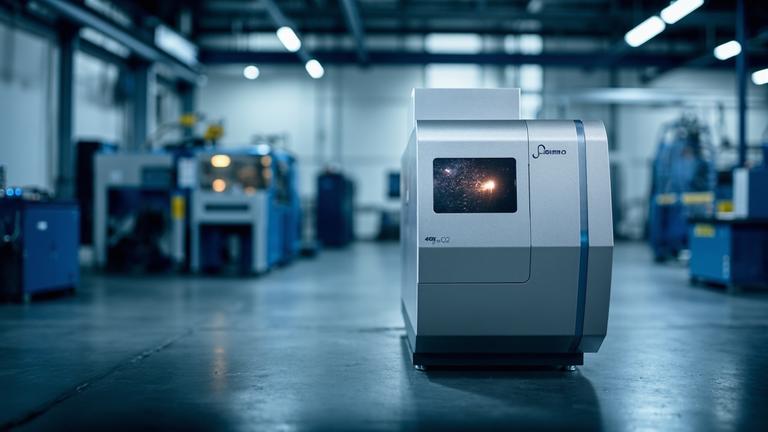
Sinterit's BIANCO2 is a €47K CO₂ laser SLS system that brings industrial powder bed fusion within reach of small businesses.
- CO₂ laser SLS at this price point was impossible five years ago — component costs have collapsed
- The system targets prototyping and short-run production, not mass manufacturing
- If reliability holds, this opens the SLS market to thousands of small design firms
Use Your Own Powder
Sinterit has launched the BIANCO2, a selective laser sintering system built around a 30W RF CO₂ laser. The stated goal is straightforward: give small and mid-sized manufacturers access to material flexibility that previously required six-figure investments in industrial SLS hardware. The Problem Sinterit Is Solving
Desktop SLS has been stuck in a frustrating middle ground. Machines in the €30K-€60K bracket typically lock you into proprietary powder portfolios. If your application needs a specific PA11 variant, a white nylon for medical dyeing, or a flexible TPE, you either pay a premium for certified material or you are out of luck. Industrial systems solve this, but they start at €150K and need climate-controlled rooms, nitrogen generators, and dedicated operators.
Sinterit's bet with the BIANCO2 is that enough engineers want the material freedom without the facility overhaul. What Is Actually Different
The CO₂ laser wavelength (10.6 µm) matters here. Fibre lasers at 1.06 µm work well with dark, carbon-filled powders because they absorb energy efficiently. White, natural, and colourable powders do not. They reflect fibre laser energy, leading to poor sintering or failed builds. A CO₂ laser cuts through that limitation. Sinterit is not the first to know this, but they are among the first to package it at this price point.
The open material ecosystem is the other half of the pitch. Sinterit Studio Ultimate ships with 137 adjustable print parameters. Users can develop custom profiles for third-party powders. For R&D teams and material suppliers, that is the difference between validating a new powder in weeks versus negotiating a certification programme with an OEM for six months. Hardware Specifications
The BIANCO2 runs a 4-zone heating architecture with 19 independent heating elements across the build chamber. Build speed tops out at 30 mm/h. The print envelope is 130 × 180 × 330 mm, which is compact but workable for orthotics, drone components, and short-run automotive brackets. A dedicated laser water chiller is included, not optional. That matters because CO₂ lasers run hot and inconsistent cooling shows up as layer lines or dimensional drift. Applications and Limitations
Sinterit lists medical, dental, orthotics, automotive, wearables, and defence as target markets. Some of those need ISO 13485 or food-grade certifications that the machine itself does not grant. The hardware enables the processing, but the regulatory burden stays with the user. I would flag that for anyone reading this and mentally budgeting a purchase.
The €47,000 base price puts it in competition with Formlabs' Fuse series and some Chinese SLS platforms. The 15% preorder discount (€39,950 with 50% prepayment) for the first 30 units is aggressive. Shipping is slated for Q4 2026, which is a long runway. If you need parts in Q3, this is not your machine. The Bottom Line
Sinterit has built a tool for a specific user: the engineer who knows exactly what powder they want to sinter and is tired of being told no by their machine's firmware. The CO₂ laser and open parameters remove the technical excuse. Whether the economics work depends on your powder consumption, your in-house R&D capability, and whether you can tolerate a Q4 delivery.
Simon McLoughlin
Is this your company?
This article features your business. Claim it to add your logo, contact details, and a link to your website — or upgrade to reach more buyers.
Did you know 80% of Press Releases trigger AI content warnings? Reach out and the M4S team can assist.