
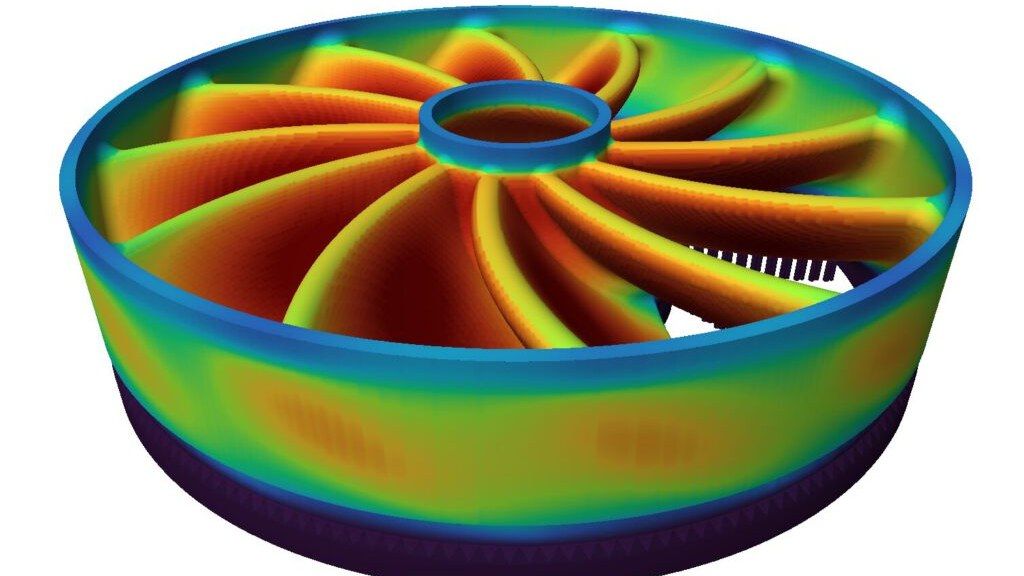
AMSIS is putting thermal behaviour at the centre of metal additive manufacturing build preparation, analysing heat distribution, flagging overheated zones and optimising exposure strategies. Episode 257 of the Additive Insight podcast features Sam Davies with AMSIS’s Steffen Reinfurth and Jerome Geils-Lindemann discussing real-world GENESIS applications, the two products packaged under that brand, how they sit alongside other AM value-chain software, and AMSIS’s forward R&D focus.
In metal additive manufacturing, build preparation is no longer just about orientation, supports, and parameter selection. Episode 257 of the Additive Insight podcast focuses on the thermal side of the process, where local heat accumulation can shape whether a build runs stably or drifts into trouble.
“AMSIS is a software company that has developed build-preparation technology that analyses heat distribution, flags overheated zones, and optimises exposure strategies.”
The episode features TCT Group Content Manager Sam Davies alongside AMSIS Managing Director and CSO Steffen Reinfurth and Director of Product Management Jerome Geils-Lindemann. The discussion centres on software that treats heat distribution as something to analyse and manage before the machine starts, not after defects appear. AMSIS is described plainly in the source material:
That matters because overheating is rarely uniform across a part. Thin features, dense geometries, and changing scan paths can concentrate energy in specific regions. A build file that looks acceptable geometrically may still carry thermal risk. By flagging overheated zones during preparation, AMSIS is aiming to expose that risk while there is still time to adjust exposure strategies.
“The company has so far packaged this technology into two products under the GENESIS brand.”
The company has taken that capability to market through a branded product family:
The podcast does not frame GENESIS as a standalone island. It covers real-world applications supported by GENESIS products and how they work alongside other software in the AM value chain. That is the pragmatic point: thermal optimisation has to coexist with the tools engineers already use for design, preparation, simulation, and production control.
The conversation also looks ahead to AMSIS’s R&D focus moving forward. For manufacturing professionals, the signal is clear enough. As metal AM pushes into more demanding production work, thermal behaviour is becoming a build-preparation variable in its own right—measured, visualised, and adjusted before the first layer is exposed.